THE STORY OF DIFFERENT FREQUENCY
It started with a question...
What if, instead of constantly asking people to change, we started looking at what might need to change around them?
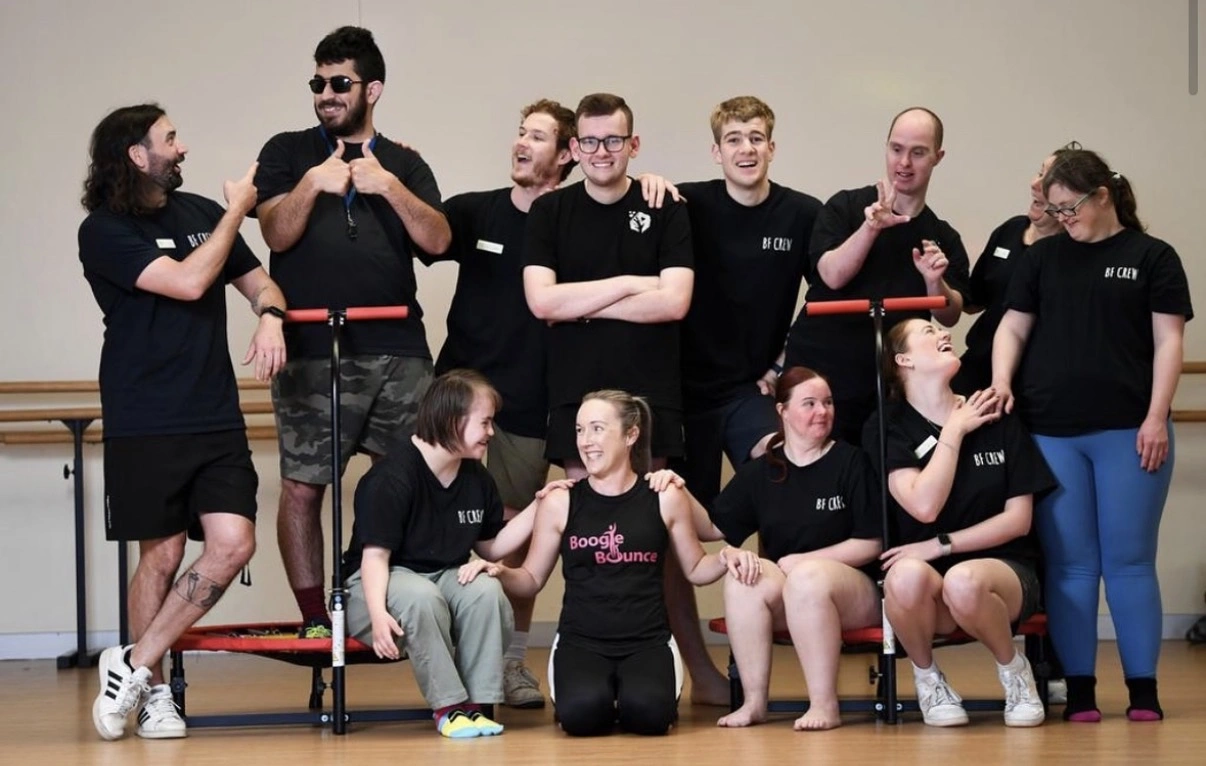
After years of working in education, movement and with children, families and educators, I kept noticing the same thing.
We spend a lot of time trying to change the person in front of us.
I started wondering... What if we're asking the wrong questions?
▹ What if the child who can't sit still isn't choosing not to listen?
▹ What if the person who isn't participating isn't being difficult?
▹ What if behaviour isn't something we need to immediately stop, but something we need to understand?
▹ What if, instead of always asking the person to adapt, we looked at the environment around them too?
The more I worked with movement, regulation and different ways of participating, the more these questions followed me.
I saw what could happen when people were given permission to move.
When participation wasn't forced.
When someone felt safe enough to join in when they were ready.
When we stopped focusing solely on what a person was doing and became curious about why.
I realised I wanted to create a space where we could have more of those conversations.
Not another professional development session filled with information that gets forgotten by next week.
▹ Something practical.
▹ Something interactive.
▹ Something that challenges assumptions without telling people they've been doing everything wrong.
▹ A place to explore the research, experience it, question it and work out what it might actually look like in the real world.
That's where Different Frequency came from.
People don't all learn on the same frequency.
We don't regulate on the same frequency.
We don't communicate, move, connect or participate on the same frequency.
Maybe we're not supposed to.
Different Frequency is about becoming curious about those differences — and considering what becomes possible when we stop expecting everyone to experience the world in exactly the same way.
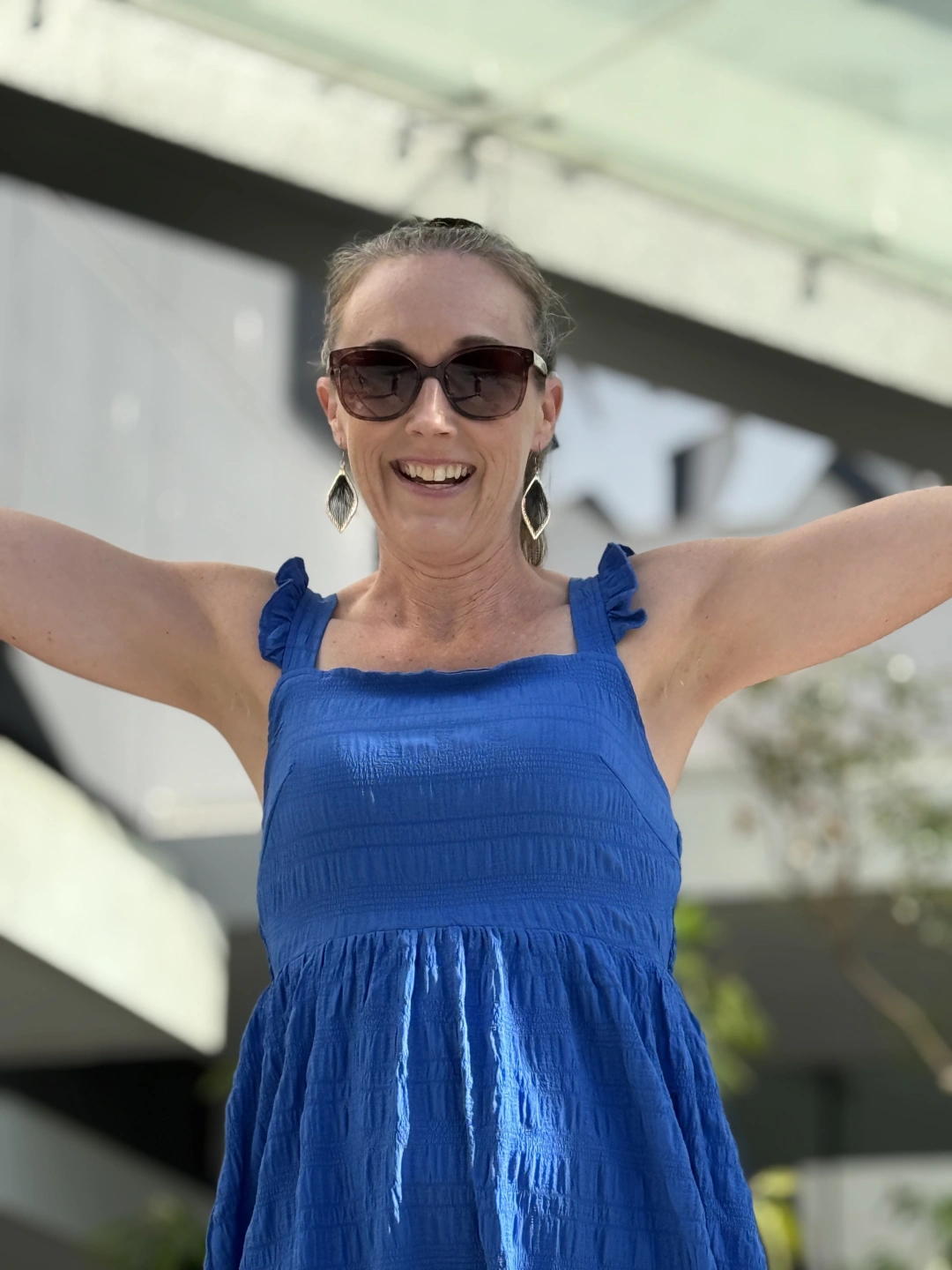
Hi, I'm Lucy.
I'm an educator, facilitator and someone who has always been curious about why people do what they do.
I began my career in education after graduating as an Early Childhood Teacher in 2007. Since then, my work has taken me beyond the traditional classroom and into movement, fitness, schools and communities across Western Australia.
Along the way, I've had the opportunity to work with thousands of children, educators and families — and some of my greatest learning hasn't come from a textbook or training course.
It's come from watching. Listening. Asking questions. Noticing what changes when we do things differently.
Movement has become a huge part of that journey.
Working with people through movement has given me a completely different lens through which to think about regulation, participation, confidence, connection and behaviour.
It's made me increasingly interested in the space between what the research tells us and what actually happens when you're standing in front of a real person.
That's the space I love exploring.
I don't believe professional learning should be about someone standing at the front of a room pretending to have all the answers.
I'd much rather create a room where we're comfortable asking better questions.
Where we can explore the research, challenge some of the things we've always done, experience ideas for ourselves, have conversations and leave thinking:
"I hadn't thought about it like that before."
That's what I hope people take away from spending time with me — not a list of rules about what they should do differently, but a different way of looking at the person in front of them.